Finding the right sunscreen when you’re prone to acne can be challenging. The best formulas for acne-prone skin are lightweight, oil-free, and fragrance-free, while still delivering strong UVA/UVB protection. Below, discover five highly regarded options designed to minimize breakouts while keeping your skin protected and comfortable all day. A quick comparison table in the introduction helps you compare key details at a glance.
| Product | Brand | Key Benefit |
|---|---|---|
| Neutrogena Clear Face Sunscreen Lotion SPF 50 | Neutrogena | Oil-free, matte finish, fragrance-free |
| EltaMD UV Clear Face Sunscreen SPF 46 (1.7 oz) | EltaMD | Oil-free, clear finish, suitable for acne-prone skin |
| EltaMD UV Clear Face Sunscreen SPF 46 (0.5 oz) | EltaMD | Compact, oil-free, dermatologist favorite |
| La Roche-Posay Anthelios Clear Skin Sunscreen SPF 60 | La Roche-Posay | Oil-absorbing, non-greasy finish |
| Eucerin Sun Clear Skin SPF 50 | Eucerin | Oil-absorbing minerals, matte finish |
Neutrogena Clear Face Sunscreen Lotion SPF 50

Neutrogena’s Clear Face sunscreen is designed for acne-prone and oily skin. It uses Helioplex technology to deliver broad spectrum SPF 50 protection while maintaining a lightweight, matte finish. The formula is oil-free and fragrance-free, intended to reduce the chance of clogged pores and breakouts. Its travel-friendly 3 fl oz bottle makes daily sun protection convenient for on-the-go skincare routines. This product is dermatologist-recommended for daily facial use and aims to blend into the skin without leaving a shiny residue.
EltaMD UV Clear Face Sunscreen SPF 46 (1.7 oz)

EltaMD UV Clear is a lightweight, oil-free sunscreen designed for acne-prone and sensitive skin. It uses zinc oxide to provide transparent coverage without a white cast. Its formula includes skin-soothing ingredients and antioxidants, making it suitable for daily use under makeup. The product line offers a compact 1.7 oz pump bottle that’s convenient for travel or gym bags, while maintaining a non-greasy feel even in warm conditions.
EltaMD UV Clear Face Sunscreen SPF 46 (0.5 oz)

This variant of EltaMD UV Clear focuses on a transparent finish with zinc oxide, designed to block UVA/UVB rays without leaving a white cast. It emphasizes suitability for acne-prone and sensitive skin, including those dealing with rosacea or redness. The formula combines zinc oxide with Niacinamide and Hyaluronic Acid to support skin hydration and texture, reducing dryness and irritation while delivering reliable sun protection.
La Roche-Posay Anthelios Clear Skin SPF 60
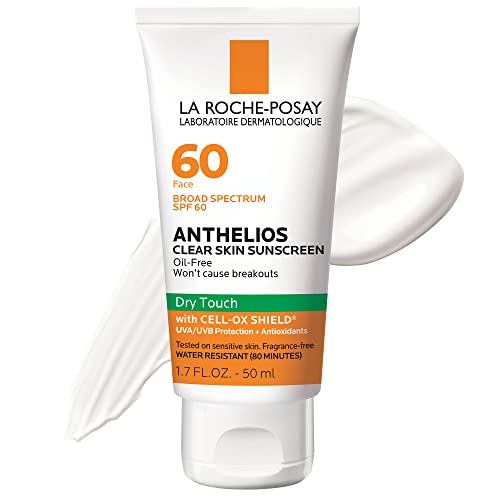
La Roche-Posay Anthelios Clear Skin SPF 60 is formulated to absorb excess oil and reduce shine, helping to keep pores clearer in hot and humid conditions. The Cell-Ox Shield technology provides broad spectrum protection with antioxidants. The sunscreen is non-comedogenic, focusing on acne-prone skin and those who want a less greasy feel while maintaining strong protection. Its oil-absorbing properties make it a solid option for daily wear under makeup or on bare skin.
Eucerin Sun Clear Skin SPF 50

Eucerin Sun Clear Skin SPF 50 combines oil-absorbing minerals with a lightweight, matte finish. The formula includes antioxidants to support skin health and is designed specifically for acne-prone and oily skin. It’s hypoallergenic, intended to minimize irritants while offering long-lasting protection. The product is well-suited for daily use, including under makeup, without promoting breakouts or a congested complexion.
Hero Cosmetics Force Shield SPF 30

Hero Cosmetics Force Shield is a light, everyday sunscreen designed for acne-prone skin. It uses zinc oxide to physically block UVA/UVB rays with a smart, skin-like finish that won’t clog pores. The gel-cream texture absorbs quickly, delivering hydration without greasiness. The formula is fragrance-free and generally well tolerated by sensitive skin, making it a versatile option for those who need reliable protection that fits into a minimal skincare routine.
Prequel Skin Sun Barrier Mineral SPF 50

Prequel Sun Barrier uses zinc oxide for broad spectrum protection with a semi-transparent, lightweight texture. The formula is fragrance-free and designed to be gentle on all skin types, including sensitive or irritated skin. It includes calming botanicals and antioxidants to support skin health while addressing photoaging and environmental stressors. This option emphasizes a non-drying, non-irritating experience for acne-prone and sensitive complexions.
Buying Guide: Key Purchase Considerations
- Breakout-conscious ingredients: Look for oil-free, non-comedogenic formulas with minimal fragrance. Skincare ingredients like zinc oxide, niacinamide, and antioxidants can support SPF protection without aggravating acne.
- Finish and texture: For acne-prone skin, a matte or weightless finish helps reduce shine and keeps makeup from slipping. Gel-cream or lotion textures that absorb quickly are ideal.
- Skin type compatibility: Oily, combination, sensitive, and rosacea-prone skin each respond differently. Choose products labeled for acne-prone or sensitive skin when possible.
- Mineral vs chemical filters: Mineral sunscreens (typically zinc oxide) often sit more gently on acne-prone skin, but some users prefer chemical filters that are lightweight. Consider skin sensitivity and tolerance when choosing.
- Application and wear time: Water resistance and longevity matter for outdoor activities. Check SPF 30–50+ ranges and consider reapplication frequency if you’re outdoors for extended periods.
- Packaging and portability: Travel-size bottles or pumps simplify daily routines and reduce contamination risks. A compact design supports on-the-go application.
When selecting a sunblock for acne-prone skin, prioritize formulas that deliver reliable sun protection without clogging pores or triggering breakouts. Many users find mineral-based options with zinc oxide, combined with soothing actives like niacinamide or antioxidants, provide a balanced approach. Always perform a patch test if you are trying a new brand or ingredient to minimize irritation. Regular sunscreen use remains an essential part of a comprehensive acne-management routine, protecting skin from UVA/UVB damage that can worsen post-inflammatory hyperpigmentation and scarring.