Across many American routines, the right facial cleanser can target breakouts while helping fade stubborn dark spots. This guide highlights five clinically suggested cleansers known for acne control, gentle exfoliation, and skin-brightening effects. Each product section includes a clickable Amazon link, an image, and key features to compare how they fit different skin types and concerns. The focus remains on effective cleansing that respects the skin barrier while addressing blemishes and post-acne discoloration.
| Product | Brand |
|---|---|
| CeraVe Acne Foaming Cream Cleanser | CeraVe |
| La Roche-Posay Mela B3 Gel Cleanser | La Roche-Posay |
| Cetaphil Gentle Clear Pore Clearing Acne Cleanser | Cetaphil |
| PanOxyl 10% Benzoyl Peroxide Acne Foaming Wash | PanOxyl |
| CeraVe Acne Treatment Face Wash (Salicylic Acid) | CeraVe |
CeraVe Acne Foaming Cream Cleanser

The CeraVe Acne Foaming Cream Cleanser combines benzoyl peroxide with hydrating ceramides, hyaluronic acid, and niacinamide to support moisture retention while actively treating acne. The formula starts as a cream and foams upon lathering, enabling deep pore cleansing without leaving skin dry. This non-fragrance option is suitable for sensitive skin prone to breakouts and helps maintain the protective skin barrier during treatment.
La Roche-Posay Mela B3 Gel Cleanser

This brightening cleanser targets dark spots with Melasyl and Niacinamide. Melasyl, a multi-patented La Roche-Posay ingredient, aims to visibly reduce persistent discoloration and support an even skin tone. Niacinamide helps soothe and calm, contributing to a more uniform complexion over time. The gel-based formula is oil-free and fragrance-free, making it suitable for ongoing use with sensitive or combination skin types seeking pigment correction.
Cetaphil Gentle Clear Pore Clearing Acne Cleanser

This Cetaphil cleanser uses 2% salicylic acid to treat breakouts while maintaining the skin’s moisture barrier with a lightweight, fragrance-free formula. It’s designed for sensitive, acne-prone skin and aims to reduce clogged pores and oiliness without stripping softness. The option is ideal for daily use in a basic regimen or for those who prefer a gentler acid-based approach to acne management.
PanOxyl 10% Benzoyl Peroxide Acne Foaming Wash
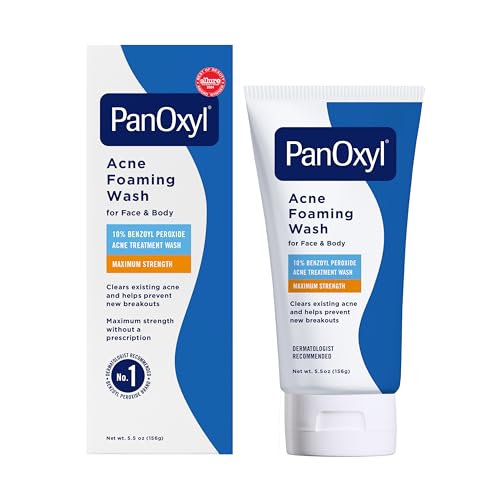
PanOxyl offers a maximum-strength 10% benzoyl peroxide formula designed to treat acne pimples and stubborn breakouts. This foaming wash aims to kill bacteria quickly and reduce inflammation, making it a strong option for those with persistent or stubborn acne. It’s effective for daily or targeted use but may require gradual introduction in sensitive or dry skin types to avoid irritation.
CeraVe Acne Treatment Face Wash

This CeraVe formula blends salicylic acid with purifying clay, niacinamide, and ceramides to target both acne and surface oil. The foaming gel wash balances exfoliation with 24-hour hydration, helping to minimize irritation while supporting the skin’s barrier. It is fragrance-free and non-comedogenic, making it suitable for combination to oily skin types dealing with acne and early micro-discoloration concerns.
Buying Guide: Key Purchase Considerations And Comparisons
When choosing a facial cleanser for acne and dark spots, consider these factors to align with skin type, goals, and tolerance for actives:
- Active ingredients and targets: Benzoyl peroxide powers bacteria control and is effective for inflammatory acne, but can be drying. Salicylic acid offers gentle exfoliation to unclog pores. Niacinamide supports barrier health and helps with discoloration. For dark spots, formulations with Niacinamide, Melasyl, or clay-based oil control can help over time.
- Skin type and sensitivity: Fragrance-free and non-comedogenic options are better for sensitive or reactive skin. Gel, cream, or foam textures influence moisture balance and cleansing feel depending on oiliness and dryness.
- Moisture retention: Look for ceramides, hyaluronic acid, and glycerin as hydrating agents that prevent post-cleansing tightness while treating acne.
- Brightening potential vs. irritation risk: Brightening ingredients may require patience; some products show gradual improvement over weeks with consistent use. Start with lower-frequency use if you have sensitive skin.
- Usage pattern: Some cleansers double as masks or spot treatments. Multi-use products can simplify routines but may require extended or specialized application for best results.
- Dermatologist guidance: For severe or persistent acne and stubborn dark spots, consulting a dermatologist can tailor a regimen and suggest prescription-strength options if needed.
- Price and accessibility: Compare cost per ounce and frequency of use. Higher concentrations of actives may reduce usage frequency but require more cautious introduction.
- Fragrance and sensitivity: Fragrance-free formulas reduce irritant exposure, particularly for acne-prone or reactive skin.
In practice, choosing a cleanser often means balancing acne-fighting force with moisture protection. For some users, pairing an exfoliating cleanser with a separate brightening serum or topical treatment may yield the best long-term results. For others, a single product addressing both acne and discoloration can streamline the routine without sacrificing efficacy. Always patch-test new products and introduce active ingredients gradually to monitor tolerance.