Laser hair growth devices offer non-invasive, at-home options for boosting hair density and healthy growth. This article highlights five top options, summarizing how each device uses low-level laser therapy (LLLT) to stimulate follicles, and what to consider when choosing a system. Read on to compare features, ease of use, and suitability for different hair loss patterns.
Overview: Selected products and quick notes
- OVEKPA Red Light Therapy for Hair Growth Laser Cap (FDA Cleared) — Clinically proven scalp helmet, easy 25-minute sessions, suitable for various hair loss stages.
- Carviki 2026 Upgrade Laser Cap — Hand-held cap design with focused, distributed laser light for consistent scalp coverage.
- iRestore Professional Laser Red Light Therapy System — 282 lasers/LEDs for full scalp coverage, hands-free sessions.
- Auarwood LLLT Laser Hair Growth Cap — 650nm red light, at-home treatment with built-in timer for 2–3 sessions per week.
- iRestore Essential & iRestore Elite variants — FDA-cleared options with broad spectrum laser/LED arrays for visible results in a few months.
OVEKPA Red Light Cap With FDA Cleared Therapy
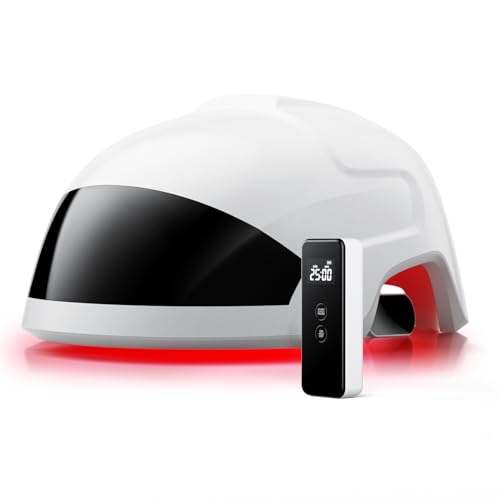
OVEKPA’s helmet uses FDA 510(k) cleared low-level laser therapy to stimulate hair regrowth in men and women with androgenetic alopecia. The device is designed for home use with a simple 25-minute session that automatically shuts off, helping maintain consistent treatment timing without manual effort. The approach targets existing follicles to strengthen hair and potentially slow further loss. It is indicated for Hamilton–Norwood classifications IIa–V and Ludwig–Savin classifications I–II, making it suitable for a broad range of thinning patterns and Fitzpatrick skin types I–IV.
Key considerations: While the device provides a comfortable, hands-free experience, outcomes vary by individual. Regular use every other day is typically recommended to observe improvements in density and visible growth. The device’s FDA-cleared status lends regulatory reassurance, but patients should have realistic expectations about the timeline and degree of restoration, particularly if genetic or hormonal factors play a strong role. The design also emphasizes safety and ease of use, with automated timing to minimize over- or under-treatment.
2026 Upgrade Laser Cap By Carviki
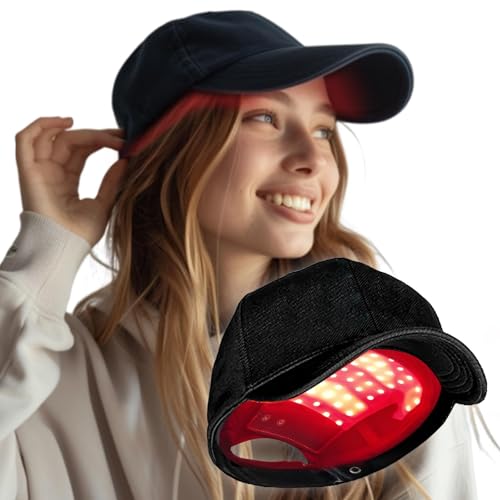
The Carviki 2026 Upgrade Laser Cap provides a handheld, cap-shaped low-level laser therapy experience designed to deliver distributed laser light across the scalp. By covering the entire head, it aims to ensure that light reaches follicles in the hairline, crown, and sides. The device is positioned for both men and women with androgenic alopecia, covering Norwood IIa–V classifications and Ludwig–Savin I–II, across skin phototypes I–IV. Regular use is intended to support visible hair growth while maintaining a comfortable fit during home sessions.
Key considerations: Distribution and scalp coverage are central to effectiveness—users should assess comfort, fit, and whether the form factor encourages consistent use. As with other LLLT devices, results can take several months and may be influenced by hair color, density, and adherence to the treatment schedule. The carvi-cap approach is well-suited for users who prefer a self-contained, hands-free routine without ongoing clinic visits.
iRestore Professional Laser Red Light System

The iRestore Professional system emphasizes full scalp coverage with 282 lasers and LEDs, designed to stimulate hair follicles across the hairline, crown, and sides. It is a plug-in device intended for hands-free use, enabling 2–3 sessions per week while users relax at home. The system prioritizes comfort with a breathable fit and medical-grade interior padding, helping users maintain long-term treatment consistency.
Key considerations: The hands-free design supports a relaxed routine, but it requires a power source to operate. For those seeking comprehensive coverage beyond a cap, this model offers robust follicle stimulation with broad reach. Individual results vary, but clinical contexts and studies cited by manufacturers suggest meaningful improvements for many users within a few months, particularly when combined with a consistent routine.
iRestore Elite Laser Cap System

The iRestore Elite represents a higher-end option with 500 lasers and LEDs and triple-wavelength technology (625/655/680nm) to deepen follicle stimulation. The design targets hairline, temples, sides, and lower crown, aiming to maximize scalp coverage and treatment depth. The system is compatible with other hair wellness routines, including minoxidil or supplements, for users seeking to enhance effectiveness.
Key considerations: Depth of stimulation and broad spectrum light are strengths of the Elite, potentially offering faster or more noticeable improvements for some users. The device emphasizes comfort with medical-grade padding and ventilation, supporting regular use. As with all LLLT products, outcomes depend on adherence and individual response to light therapy, and users should set realistic timelines for visible changes typically in 3–6 months.
iRestore Professional Plus Rechargeable Battery Pack Bundle

The iRestore Pro with a rechargeable battery pack combines wide 282-laser-LED coverage with the flexibility of cordless use. This configuration is designed to deliver automated, hands-free sessions while accommodating intervals between charging. The system targets the full scalp with a comfortable fit, supporting a routine of 2–3 sessions per week for ongoing hair wellness. It is FDA-cleared and positioned for ongoing use alongside other hair care strategies.
Key considerations: The freedom from cables adds convenience, particularly for users who prefer unplugged sessions away from outlets. Battery life and charging times are practical factors, and users should monitor whether cordless operation affects session length or coverage. As with other devices, consistency and realistic expectations about hair regrowth timelines are essential for assessment.
Buying Guide: Key considerations for choosing a laser hair growth device
- FDA clearance and clinical backing: FDA-cleared devices offer regulatory reassurance. Look for 510(k) clearance or peer-reviewed studies when possible, and examine the range of hair loss patterns covered (Norwood/Ludwig classifications).
- Coverage and fit: Full-scaI p coverage is a common predictor of efficacy. Caps that reach the hairline, crown, and sides can improve follicle stimulation, but comfort and fit influence adherence.
- Session length and frequency: Most devices schedule 20–30 minute sessions, 2–3 times weekly. Consistency matters; some devices offer auto-shutoff to prevent overuse.
- Light wavelength and technology: Common wavelengths include 650–680nm red light, with some devices adding near-infrared ranges (850–940nm). More wavelengths can offer broader follicle stimulation.
- Ease of use and maintenance: Hands-free designs reduce effort, while Rechargeable battery packs add flexibility. Consider whether you prefer corded or cordless operation and whether you need a built-in timer.
- Safety and side effects: LLLT is generally low risk, but users should review contraindications (photosensitivity, certain medications, or medical conditions) and consult a clinician if unsure.
- Maintenance and long-term plan: Hair regrowth is typically gradual. Plan for several months of use and assess whether you will combine LLLT with topical treatments or lifestyle changes for best results.
Bottom line: When selecting a laser hair growth device, emphasize consistent usage, scalp coverage, and a product with credible safety and efficacy claims. For many users, a hands-free cap with broad coverage and an automated timer offers a practical path to fuller-looking hair over several months, aligning expectations with the biology of hair growth cycles.