The search for effective copper-infused creams for vitiligo centers on products that combine copper peptides with skin-nourishing ingredients. This guide highlights five widely available options that emphasize repigmentation support, gentle formulations, and barrier restoration. Each product below draws on copper peptide technology or copper-related actives alongside complementary ingredients to help even skin tone and improve texture. Read on to compare features, ingredients, and targeted benefits for managing vitiligo-prone areas.
Buying Snapshot for the Selected Products:
- HealthyDerm Copper Peptides GHK-Cu Blue Balm with Methylene Blue, Manuka Honey & Vitamin E — Copper peptides with antioxidants and beeswax-based moisture.
- Richie House Vitiligo Cream — Natural repigmentation formula with Asarum herbs, Amaranth, Dried Ginger.
- DNA CODE Skin Care Magic Firming Cream — Copper peptides plus multiple anti-aging peptides for firming and texture improvement.
- Osmotics Blue Copper 5 Firming Elasticity Repair — Deep hydration and anti-aging focus with copper-derived active ingredients.
- QCQBL Vitiligo Cream — Natural, gentle formula with Asari herbs and amaranth for even tone support.
HealthyDerm Copper Peptides Blue Balm: Patented Copper For Skin Renewal

HealthyDerm’s Copper Peptides formulation centers on GHK-Cu to support skin tone and texture. The product claims firmer, smoother skin with a natural renewal effect. It also contains methylene blue for antioxidant support, which can aid in maintaining skin clarity and hydration as part of a daily routine. The inclusion of grass-fed beef tallow provides a moisturizer that aligns with the skin’s natural lipids, reinforcing the barrier without clogging pores. This combination aims to be suitable for mature, dry, or sensitive skin types that commonly experience vitiligo-related concerns.
Key considerations: Copper peptides are thought to participate in skin repair and regeneration, potentially aiding repigmentation efforts. The presence of antioxidants and a rich moisturizer can help reduce irritation and support a smoother complexion. Prospective users should evaluate any sensitivity to methylene blue or bee-derived ingredients and consider patch testing before full use. The product is positioned as a daily facial and body moisturizer rather than a prescribed vitiligo treatment.
Usage notes: Apply to clean skin, focusing on areas with depigmented patches or dry skin. Begin with once-daily use, then adjust frequency based on tolerance. As with all topical products claiming repigmentation support, results vary by individual and over time.
Richie House Vitiligo Cream: Natural Repigmentation Formula
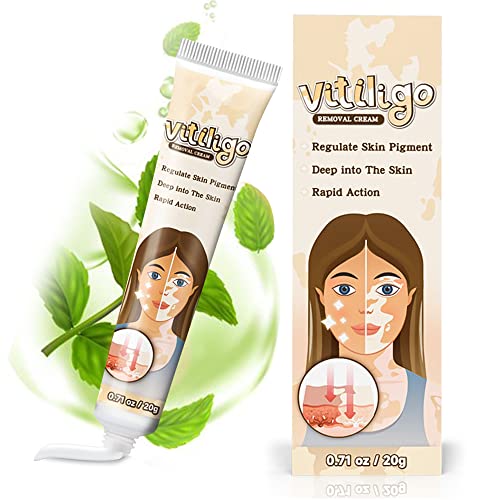
Richie House offers a natural vitiligo treatment cream designed to reduce spot visibility and support a more even skin tone. The formula emphasizes soothing, plant-based ingredients such as Asarum herbs, Amaranth, and Dried Ginger. The approach focuses on gentle, non-irritating nourishment aimed at helping skin recover while minimizing disruption to sensitive areas. This product is marketed toward both men and women seeking a non-prescription option with a focus on gradual repigmentation and color balance rather than immediate pigment restoration.
Important considerations: While the cream highlights natural components, it is not explicitly copper-peptide–based. Users should weigh the potential benefits of repigmentation against expectations for timeframes and consider compatibility with existing copper-containing products to avoid overuse. Patch testing is advised, especially for areas of sensitive skin and around active vitiligo patches. This option may appeal to those seeking a more holistic, botanical approach.
Usage notes: Apply a thin layer to affected areas as directed, usually once or twice daily. Consistent use over several weeks to months is typical for evaluating effectiveness. Monitor for irritation or redness and discontinue if adverse reactions occur.
DNA CODE Copper Peptides Firming Cream: Anti-Aging With Multiple Peptide Complexes

DNA CODE’s Magic Firming Cream positions copper peptides within a multi-peptide matrix, including Argireline, Matrixyl 3000, SNAP-8, and Leuphasyl components. The description emphasizes visible improvements in skin radiance and a firmer appearance, with copper peptides supporting natural healing and regeneration. While the focus is anti-aging, the ingredients are relevant to vitiligo-prone skin by promoting a resilient dermal structure and improved texture. The product markets itself as a no-needle alternative for facial tension reduction and tightening, potentially complementing pigment-restoring efforts through healthier skin mechanics.
Considerations: The carious peptides aim to boost collagen and elastin, which can help skin resilience around patches. However, copper peptide products vary in concentration and compatibility with other vitiligo-focused treatments. Users should perform patch testing and be mindful of any interactions with existing therapies. Expect gradual improvements in tone and smoothness with consistent use over weeks to months.
Usage notes: Apply evenly after cleansing and toning, avoiding the eyes. A small amount covers a large area; adjust as needed for sensitive zones. If using in combination with other actives, introduce gradually to monitor tolerance.
Osmotics Blue Copper 5 Firming Elasticity Repair

Osmotics Blue Copper 5 Firming Elasticity Repair is presented as a deep-hydration anti-aging cream that supports collagen and elastin production. It emphasizes a moisturizer with a focus on firming, wrinkle reduction, and pigment-related skin concerns. The formula is designed for all skin types and aims to deliver a serum-like feel with the hydration capabilities of a cream. While not exclusively labeled for vitiligo, its copper-related actives and anti-aging benefits may help improve the texture and moisture balance of depigmented areas, potentially assisting with overall appearance and comfort.
Key considerations: Hydration and elasticity support can help reduce the appearance of fine lines around vitiligo patches. The product’s broad-sense anti-aging framing may suit users seeking a comprehensive solution, but users should temper expectations regarding repigmentation and pigment normalization. Patch testing is prudent for sensitive skin, and a compatibility check with vitamin C or retinoids should be considered to minimize irritation risks.
Usage notes: Apply to clean skin, focusing on areas with dryness or fine lines. Use as part of a daily regimen, and avoid applying near the eyes. Start with a small amount to evaluate tolerance, especially if layering with other actives.
QCQBL Vitiligo Cream: Natural Support For Pigment Balance

QCQBL’s Vitiligo Cream highlights a natural ingredients approach, featuring asari herbs, amaranth, and dried ginger. The formulation emphasizes gentle, non-irritating care aimed at restoring healthy skin and reducing the appearance of vitiligo spots. The product is described as suitable for all skin types, including sensitive skin, and targets repigmentation or tone balancing through natural means rather than copper-focused actives alone.
Key considerations: Natural ingredient blends may appeal to users seeking minimal synthetic exposure. The rate of repigmentation can vary widely, and improvements may require extended use. It is important to assess compatibility with any copper-containing products to avoid conflicting effects and to consider skin sensitivity to herbal components.
Usage notes: Apply as directed on the packaging, typically once or twice daily. Monitor for irritation, particularly if you have sensitive skin or if you are combining with other actives. Consistent use over time is usually necessary to observe changes in tone and texture.
Aura Vitamins Vitiligo Cream: Polypodium Leucotomos Support
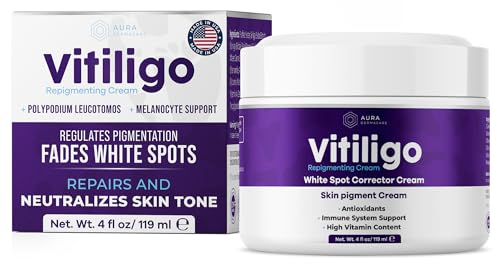
AURA VITAMINS offers a repigmentation-support cream featuring Polypodium Leucotomos and melanocyte-supporting nutrients. The formulation targets fading white spots and promoting a more even complexion over time. While not explicitly copper-peptide–heavy, the emphasis on melanocyte support aligns with vitiligo management strategies that aim to boost pigmentation through natural pathways. The product is designed for various skin types and is positioned as a long-term option for improving skin tone balance.
Considerations: The product’s focus on natural support for repigmentation may complement copper-based products when used as part of an integrated regimen. Patience is essential, as repigmentation can be gradual. Patch testing remains important, especially for sensitive skin areas and active lesions.
Buying Guide: Copper-Infused Skincare For Vitiligo
- Active ingredients and synergy: Copper peptides, particularly GHK-Cu, are commonly touted for their role in skin repair and collagen stimulation. Consider formulas that pair copper peptides with antioxidants, hydrating agents, and barrier-supporting ingredients for holistic care.
- Targeted vs. supportive care: Some products claim direct repigmentation effects, while others focus on improving texture, hydration, and barrier function to support overall skin health. A balanced approach combines both goals where possible.
- Skin type and sensitivities: Mature, dry, or sensitive skin often benefits from rich moisturizers and gentle formulations. Patch testing is essential when introducing new actives or herbal components, especially around vitiligo patches.
- Consistency and expectations: Vitiligo treatment varies by individual. Expect gradual improvements over weeks to months, and avoid frequent switching between products to better assess progress.
- Natural vs. synthetic blends: Options range from botanical blends to peptide-rich formulations. Your preference for natural ingredients versus lab-engineered actives will guide product selection.
- Safety and interactions: If you are using prescription therapies or light-based treatments, consult a dermatologist to avoid adverse interactions. Some ingredients may cause irritation when combined with other actives.
- Patch testing and monitoring: Always perform a patch test on a small area before applying broadly. Discontinue use if irritation, redness, or itching persists beyond initial adjustments.
- Usage patterns: Most products advise daily application with gradual integration into your routine. Layering with sunscreen during daytime use is advisable to protect treated areas and prevent discoloration from sun exposure.