Finding the right foot cream can dramatically improve softness, moisture, and overall comfort for dry, cracked, or callused feet. The following selections are well-regarded across American households for daily care, overnight healing, and intensive repair. Each option combines moisturizing ingredients with targeted keratolytics or barrier-supporting components to help keep feet smooth and healthy year-round.
| Product | Brand | Key Benefit |
|---|---|---|
| Gold Bond Softening Foot Cream, 4 oz. | Gold Bond | Conditions and softens rough, dry feet with shea butter and silk peptide matrix |
| O’Keeffe’s for Healthy Feet Foot Cream (3.2 oz) | O’Keeffe’s | Concentrated moisture barrier for extremely dry, cracked feet |
| Kerasal Nighttime Intensive Foot Repair, 1 oz | Kerasal | Overnight skin healing for cracked heels and dry feet |
| Dr. Scholl’s Dry, Cracked Foot Repair Ultra-Hydrating Foot Cream (3.5 oz) | Dr. Scholl’s | High-urea formula with deep moisturization for tough cracks |
| Ebanel Urea Cream 40% with Salicylic Acid 2% | Ebanel | Intense exfoliation and barrier repair for dead skin and calluses |
Note: The products listed below were selected for their balance of hydration, barrier support, and exfoliation where appropriate. Always follow product directions and test on a small area if you have sensitive skin or a history of reactions.
Gold Bond Softening Foot Cream
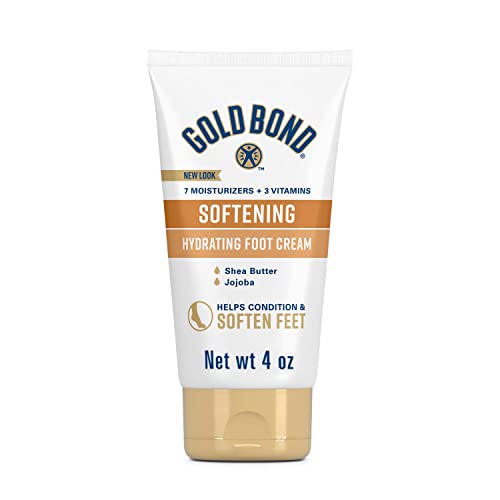
Gold Bond Softening Foot Cream uses a silk peptide matrix along with shea butter and a trio of vitamins to form a protective moisture layer. The formula targets rough, dry feet by conditioning skin and supporting long-lasting hydration. A compact 4-ounce tube makes it convenient for daily use and travel, helping to keep feet supple between pedicures or after barefoot days.
O’Keeffe’s Healthy Feet Foot Cream

O’Keeffe’s Healthy Feet is a concentrated formula designed to heal and repair extremely dry feet. It forms a protective barrier on the surface to lock in moisture, delivering relief and long-lasting hydration. This product is often favored for its ability to reduce the symptoms of severe dryness and cracking, with a focus on durable moisturization and comfort.
Kerasal Nighttime Intensive Foot Repair

Kerasal Nighttime Intensive Foot Repair is marketed as an overnight treatment for cracked heels and dry feet. The formula emphasizes skin healing through its active ingredients and is designed to deliver visible improvements by morning. It’s typically used as a targeted treatment in a nightly routine for those dealing with persistent dryness and cracking.
Dr. Scholl’s Dry, Cracked Foot Repair

Dr. Scholl’s Dry, Cracked Foot Repair combines 25% urea with essential oils and Epsom salt to soften and deeply moisturize hard, cracked skin. The high urea content supports moisture uptake for up to 24 hours, making it a popular choice for severely dry feet seeking intensive relief and replenishment of skin elasticity.
Ebanel Urea Cream 40% with Salicylic Acid

Ebanel Urea Cream 40% with 2% Salicylic Acid targets dead skin buildup while supporting skin barrier repair. Infused with moisturizing actives like shea butter, coconut oil, and hyaluronic acid, it aims to soften feet that have become rough from calluses and dryness. The dual-action approach makes it suitable for comprehensive foot care, including heels, toes, and surrounding skin.
Buying Guide
Choosing the right foot cream depends on your specific needs, skin type, and how aggressive you want your regimen to be. Consider the following factors to optimize results:
- Hydration vs. exfoliation: If your feet are dry but not cracked, focus on humectants and occlusives (glycerin, urea, petrolatum-based formulas). For stubborn dead skin or calluses, look for products with keratolytic ingredients like urea, salicylic acid, or alpha hydroxy acids (AHAs).
- Urea concentration: Higher percentages (20-40%) provide stronger moisturizing and softening effects but can be more intense. Lower percentages are gentler for sensitive skin.
- Barrier support: Formulas with ceramides, shea butter, glycerin, and hyaluronic acid help restore the skin’s protective barrier, reducing moisture loss over time.
- Overnight vs. daytime use: Overnight repairs often employ richer textures and higher actives to maximize absorption while you sleep; daytime creams tend to be lighter and non-greasy for comfortable wear.
- Fragrance and dyes: People with sensitive skin or diabetes may prefer fragrance-free and dye-free formulations. Always check ingredients if sensitivities exist.
- Target areas: Some products are multipurpose for feet, hands, elbows, and knees. If you have multi-area dry skin, a versatile formula can simplify routines, but consider durability for feet specifically.
- Patch testing: Especially for high-urea or acid-based products, apply a small amount to a discreet area first to ensure compatibility with your skin.
For best results, pair these creams with a routine that includes regular exfoliation of rough skin (where appropriate), daily moisturization, and the use of breathable socks or slippers to maximize product absorption. If you have open cracks or signs of infection, consult a healthcare professional before starting a new foot care regimen.