Discover fragrance oils ideal for body butters that deliver long-lasting scents without overpowering the skin. This guide highlights five popular options that blend well with lotions, creams, and other DIY cosmetics. Each product list includes skin-safe formulas, versatility for DIY projects, and notes on usage in diffusers or other crafts. Whether you’re scenting a creamy body butter or crafting gifts, these oils offer rich aromas while maintaining a gentle profile for topical use when properly diluted.
| Product | Brand | Key Qualities | Best Uses |
|---|---|---|---|
| Honey Vanilla Fragrance Oil | Plant Guru | Vanilla notes, honey richness, phthalate & alcohol free | Body butters, lotions, diffusers |
| Pink Sugar Fragrance Oil | Plant Guru | Fruity floral with gourmand dry-down, phthalate & alcohol free | Body butters, soaps, candles, diffusers |
| Coco Mango Fragrance Oil | Plant Guru | Coconut, mango, banana leaf notes, phthalate & alcohol free | Body butters, lotions, bath products |
| Bramble Berry Cashmere Fragrance Oil | Bramble Berry | Luxurious, cozy scent with vanilla; skin-safe | Candles, lotion, soap, bath bombs |
| HIQILI Vanilla Essential Oil | HIQILI | Pure vanilla, versatile for DIY blends, multiple uses | Diffusers, shampoos, lotions, candles |
Honey Vanilla Fragrance Oil

Plant Guru’s Honey Vanilla Fragrance Oil combines vanilla’s nutty, velvety notes with a warm honey richness. The formula is free from phthalates and alcohol, reducing potential skin irritation when properly diluted for use in body butters, lotions, and creams. It is suitable for diffusers as well, enabling a room-filling aroma when not used topically. The fragrance offers a familiar, comforting scent profile that blends well with creamy bases, making it a common addition to DIY skincare projects.
Bramble Berry Cashmere Fragrance Oil

Bramble Berry offers a luxuriously cozy fragrance, described as soft and inviting with vanilla hints. The oil is suitable for a range of handmade products including candles, soaps, lotions, and bath bombs. It is formulated for skin-safe use and is free from parabens and phthalates, aligning with hobbyists and small-batch crafters who want gentle, premium scents for self-care products and gifts. When used in body butters, this oil provides a warm, comforting aroma that persists through moisturization.
Pink Sugar Fragrance Oil

Pink Sugar presents a fruity floral profile with a gourmand dry-down featuring caramel and vanilla against subtle woodsy notes. The oil is phthalate and alcohol-free, making it a safer option for topical applications when diluted. It works well in body butters and lotions, offering a sweet, sophisticated scent suitable for gifts or personal use. Its blend-friendly nature also suits other DIY projects like bath products and diffusers, if used in moderate quantities.
PHATOIL Coconut & Vanilla Fragrance Oil

PHATOIL’s Coconut & Vanilla fragrance combines tropical coconut with warm vanilla, packaged in a UV-coated glass bottle with a dropper for precise use. It emphasizes long-lasting scent and suitability for aromatherapy, diffusers, candles, and soaps, making it versatile for skin-care products like body butters and scrubs when diluted correctly. It is described as cruelty-free, appealing to consumers seeking ethical fragrance options for DIY projects and gifts.
Coco Mango Fragrance Oil
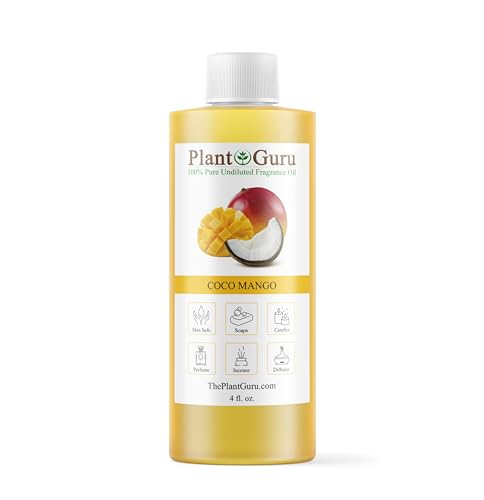
Coco Mango blends coconut and sweet mango with a hint of banana leaf within a sugarcane base. This fragrance is phthalate and alcohol-free, making it suitable for skin contact when properly diluted in body butters and lotions. The tropical profile is popular for summer-themed products and gifts, offering a bright, fruity scent that remains balanced in creamy bases and diffusers alike.
HIQILI Vanilla Essential Oil

HIQILI offers 100% pure vanilla essential oil derived through traditional steam distillation. While an essential oil rather than a synthetic fragrance, vanilla essential oil can blend with carrier bases for body butters and skincare formulations. It provides a warm, comforting aroma and is suitable for DIY blends, diffusers, shampoos, lotions, and bath products. Essential oils require careful dilution and testing in final products to ensure skin safety and fragrance stability.
Buying Guide
Fragrance profile and compatibility
Choose fragrance oils whose notes align with your product goals. Vanilla-forward scents are versatile for body butters and lotions, while fruity or gourmand profiles can create distinctive gifts. Ensure the oil is compatible with skin-care formulas and does not contain harsh chemicals that could irritate when diluted properly.
Safety and skin compatibility
Look for phthalate- and alcohol-free formulations when using on skin. Verify that the product allows skin contact at recommended dilutions and follow manufacturer guidelines for usage in cosmetics. Essential oils require careful dilution and patch testing to minimize irritation or sensitization.
Usage versatility
Consider oils that work across multiple applications—body butter, lotions, bath bombs, candles, and diffusers. A fragrance with broad compatibility can simplify DIY projects and gifting. Check if the brand provides usage suggestions for diffusers, sprays, or bath products.
Packaging and quantity
Bottles with droppers offer precise measurement for small-batch recipes. Common sizes like 2 oz or 4 oz are convenient for experimenting with formulas, while ensuring enough product for multiple batches. Dark glass bottles help protect the fragrance from light exposure, preserving scent quality.
Brand and safety claims
Choose reputable brands that publish safety data and clearly state skin-safe properties. Vegan, cruelty-free, and paraben-free formulations are desirable for consumers seeking clean-label DIY products. Reading reviews and product descriptions can help assess real-world performance in body-care recipes.
When composing body butters, always interpolate fragrance oils into a neutral carrier oil or butter base at safe recommended concentrations. Test on a small skin area before broad use. For diffuse use, follow the manufacturer’s guidelines, as some oils are optimized for topical blends while others are better suited for air diffusion.