Retinol remains a cornerstone for addressing cystic acne and post-inflammatory marks by encouraging cell turnover and smoothing texture. This guide highlights five Amazon products commonly used to target cystic breakouts, post-acne hyperpigmentation, and overall skin resilience. Each option covers retinol or retinol-adjacent benefits, alongside complementary ingredients like niacinamide, hyaluronic acid, and soothing botanicals. Use this overview to compare choices for different skin types and routines.
| Product | Brand | Key Benefit |
|---|---|---|
| CeraVe Resurfacing Retinol Serum | CeraVe | Post-acne marks, barrier repair, non-comedogenic |
| AcneFree Retinol Blemish Mark Serum | AcneFree | Reduces marks, refines pores, hydrates |
| Eva Naturals Vitamin C Serum With Retinol | Eva Naturals | Brighter tone, clearer skin, anti-oxidant support |
| Rael Pimple Patches | Rael | Surface-level zit care, oil absorption, overnight healing |
| Enaskin Naturals Salicylic Acid Spot Treatment | Enaskin Naturals | Salicylic acid for oil control and pore cleansing |
CeraVe Resurfacing Retinol Serum For Post Acne Marks

This retinol serum uses encapsulated retinol to help skin look smoother and more even-toned. It includes licorice root extract and niacinamide to brighten and calm the complexion, while aiming to minimize the appearance of post-acne marks. The formula supports barrier repair and is labeled non-comedogenic, making it suitable for acne-prone skin seeking texture improvement without clogging pores.
Rael Pimple Patches, Miracle Retinol Spot Cover

Rael patches provide time-release blemish care with hydrocolloid technology. While primarily a spot treatment patch, they support overnight absorption of impurities and oil from stubborn breakouts, helping to reduce visible redness and texture when used as part of a broader retinol-focused routine. They are designed to be worn while sleeping for surface-level blemish management.
Cystic Acne Treatment for Face – Azelaic Acid Spot Cream
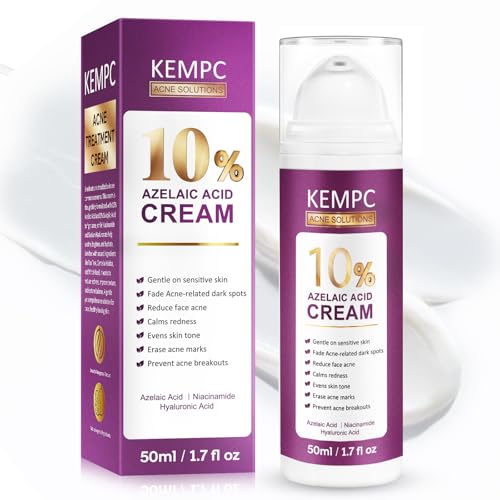
This azelaic acid spot treatment targets cystic and hormonal breakouts while reducing redness and evening out skin tone. While not a retinol product, azelaic acid complements a retinoid routine by addressing post-inflammatory hyperpigmentation and smoothing overall tone—beneficial for sensitive and rosacea-prone skin when used in combination with retinol on alternate days.
Cystic Acne Spot Cream Overnight Sulfur Formula
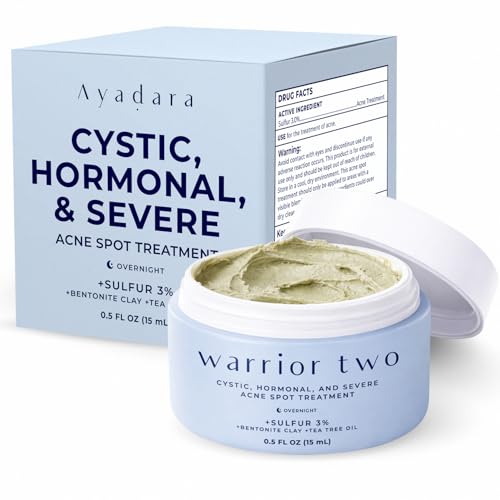
This overnight sulfur-based spot cream targets cystic breakouts with a formula featuring sulfur, bentonite clay, and complementary botanicals. It is designed for long-lasting use on face and body, offering rapid surface-clearing support and pore cleansing alongside a retinol regimen used on alternate nights in some routines.
AcneFree Retinol Blemish Mark Serum

AcneFree offers a retinol resurfacing serum designed to smooth skin, reduce the appearance of acne marks, refine pores, and support barrier health with hyaluronic acid and niacinamide. This product integrates retinol with hydrating and pore-minimizing ingredients to promote clearer, more resilient skin in acne-prone complexions.
Salicylic Acid Acne Spot Treatment by Enaskin Naturals

Enaskin Naturals spot treatment uses a powerful botanical blend with 2% salicylic acid to target stubborn pimples, help regulate oil, and reduce inflammation. While not a retinol product, this option can complement retinol use by addressing pore cleansing and purifying effects in an acne-prone routine.
Buying Guide: Key Purchase Considerations For Retinol And Cystic Acne
Choosing the right product involves balancing retinoid strength, skin sensitivity, and goals like reducing cystic breakouts, fading post-acne marks, and preserving the skin barrier. Consider the following perspectives:
- Retinol concentration and formula: Encapsulated retinol tends to be gentler and more stable, reducing irritation for sensitive or inflamed skin. For beginners, start with a lower concentration and gradually increase usage frequency.
- Accompanying ingredients: Niacinamide supports barrier resilience and reduces inflammation. Hyaluronic acid aids hydration. Azelaic acid and salicylic acid target pores, redness, and bacterial overgrowth, and can be used in alternating steps with retinol.
- Skin type and tolerance: Oily and acne-prone skin may tolerate retinol better when paired with soothing agents; sensitive or rosacea-prone skin requires slower introduction and careful patch testing.
- Spot treatments vs. full-face serums: Patches and spot creams are useful for localized cystic eruptions, while serums can address widespread post-acne marks and texture when used consistently over weeks to months.
- Patch testing and usage schedule: Begin with 1–2 times per week and monitor for irritation. Gradually move to nightly or every-other-night use if tolerated, while avoiding concurrent exfoliating actives on the same night.
- Layering and sun safety: Retinoids increase photosensitivity, so always apply sunscreen during the day. If layering multiple actives, apply in the correct order: cleansing, hydrating serums, retinoid, then moisturizer.
- Clinical expectations: Visible improvements in post-acne marks and texture typically require several weeks to months of consistent use. Results vary by individual and product formulation.