Retinol can be a powerful ally for teenage skin when used carefully and gradually. This article reviews beginner-friendly retinol products that are commonly recommended for teens, with emphasis on gentle formulations, barrier support, and skin-soothing ingredients. Readers will find practical guidance on starting slowly, monitoring reactions, and choosing products that align with sensitive, acne-prone, or combination skin. The following selections focus on accessible options currently available on Amazon, with clear ingredient strategies and usage notes.
Summary of chosen products:
- CeraVe Anti Aging Retinol Serum For Face – Encapsulated Retinol with Hyaluronic Acid, Niacinamide & Ceramides
- The Ordinary Retinol 1% in Squalane
- The Ordinary Retinol 0.2% in Squalane
- Good Molecules Gentle Retinol Cream
- Paula’s Choice Retinol Skin-Smoothing Body Lotion Treatment
CeraVe Anti Aging Retinol Serum For Face

The CeraVe retinol serum combines encapsulated retinol with MVE technology to deliver slow-release action, supporting the skin barrier even after application. It includes hyaluronic acid for moisture retention and niacinamide to help calm and soothe sensitivity often associated with retinoid use. The fragrance-free formula aims to reduce potential irritation, making it a friendlier option for teenage skin that may be prone to redness or breakouts.
The Ordinary Retinol 1% In Squalane

This high-strength option targets fine lines and uneven texture with a potent 1% retinol concentration. It is stabilized in squalane, a mild, non-greasy emollient that supports moisture while reducing irritation risk. Suitable for teens who have already built up a tolerance to retinoids or who are transitioning from milder products, it is essential to start slowly and monitor skin responses.
The Ordinary Retinol 0.2% In Squalane

A milder entry point, this 0.2% retinol in squalane is designed for beginners and teens new to retinoids. It helps with early signs of aging, texture smoothing, and pore appearance, while its gentle formulation supports skin adaptation. Begin with once-a-week applications and gradually increase frequency as tolerated by the skin.
Good Molecules Gentle Retinol Cream
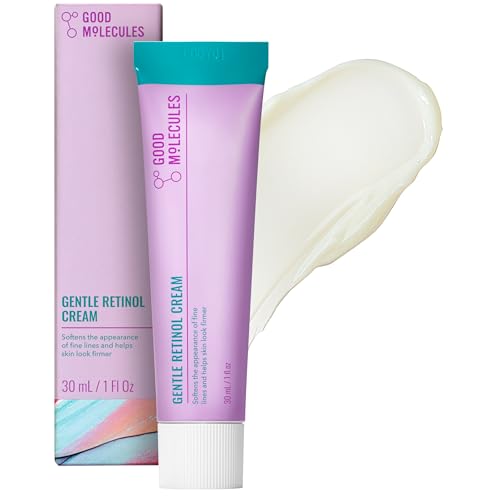
Good Molecules offers a gentle retinol cream that combines a modest retinol concentration with soothing ingredients designed to minimize irritation while promoting a clearer, more radiant complexion. The formula emphasizes balance, with nourishing components to support skin health during retinoid use. Teens should apply sparingly and adjust usage based on tolerance and skin response.
Paula’s Choice Retinol Skin-Smoothing Body Lotion Treatment

This body-focused retinol lotion provides a gentle introduction to retinoids for teens, offering a light-weight formula with shea butter and vitamins to hydrate and smooth dry areas. While designed for body use, it can help teens manage rough patches and crepey-looking skin, ensuring the retinoid assists overall texture without excessive dryness. Use on smaller areas first to monitor response.
Buying Guide: Key Factors For Teens Considering Retinol
Starting retinol during adolescence requires careful choices and consistent routines. The following considerations help balance benefits with safety and comfort for teenage skin:
- Skin type and sensitivity: Teens with sensitive or acne-prone skin may benefit from fragrance-free formulas and gentler concentrations. Start with low-strength retinoids (0.2%–0.3%) and scale up gradually.
- Formulation and vehicle: Serums in silicone, hyaluronic acid, or squalane bases tend to be gentler and provide hydration, reducing irritation risk. Avoid heavy oils or heavy fragrances that can clog pores.
- Application frequency: Begin with every third night and increase as tolerated. If irritation occurs (redness, stinging, flaking), slow down or pause use and reintroduce gradually.
- Barrier support: Look for products that include ceramides, niacinamide, or hyaluronic acid to support moisture retention and skin barrier repair during retinoid use.
- Acne considerations: Retinoids can help with acne and post-inflammatory marks but should be introduced cautiously in combination with other acne meds. Consult a dermatologist if acne is severe or persistent.
- Long-term plans: Teens should pair retinol with a compatible sunscreen (SPF 30 or higher) during the day and maintain a simple, consistent routine to avoid over-stimulation of the skin.
- Sensitivity testing: Perform a patch test on a small area (e.g., jawline or behind the ear) for 24–48 hours before full-face use.
What To Expect As You Begin
Initial retinol use may cause mild redness or dryness, which typically subsides as the skin builds tolerance. Visible improvements in texture, brightness, and pore appearance often emerge after several weeks of consistent use. Teens should avoid combining strong retinoids with other exfoliants unless advised by a dermatologist, and should consider coupling retinoid days with lighter hydration on non-retinoid days.
Product Selection By Skin Goal
For teens focusing on acne-prone or textured skin, starting with gentler formulations (0.2%–0.3%) and gradually increasing strength as tolerance grows is often optimal. If barrier irritation occurs, consider formulations that pair retinol with ceramides or niacinamide, or switch to a low-irritation alternative like retinaldehyde-based options designed for sensitive skin. Always prioritize safety and professional guidance when necessary.