Discoloration and uneven skin tone affect many people, and selecting a targeted product can help improve clarity and radiance. The following picks focus on brightening technologies such as tranexamic acid, niacinamide, alpha-arbutin, and kojic acid, offering options for face and body care. Each product is selected for its proven ingredients and broad suitability across skin types.
Product Summary Table
| Product | Brand | Area | Key Ingredient Focus |
|---|---|---|---|
| Discoloration Correcting Serum (Face) | Good Molecules | Face | Tranexamic Acid, Niacinamide |
| Mela B3 Serum | La Roche-Posay | Face | Niacinamide, Melasyl |
| Discoloration Correcting Body Treatment | Good Molecules | Body | Tranexamic Acid, Niacinamide |
| Alpha Arbutin Serum (Face) | COSRX | Face | Alpha-Arbutin, Tranexamic Acid |
| Dark Spot Fade Serum | Palmer’s | Face | Niacinamide, Vitamin E |
Discoloration Correcting Serum — Face

The Good Molecules Discoloration Correcting Serum targets dark spots and hyperpigmentation with a formulation that supports a brighter, more even complexion. Its hydrating base helps nourish skin while promoting repair and replenishment, potentially reducing the appearance of discoloration over time.
Key features include 3% tranexamic acid and 4% niacinamide, designed to address uneven skin tone, enlarged pores, and dull texture. The serum is positioned as suitable for daily use on the face, aiming to refine tone without heavy residue.
Discoloration Correcting Serum — Face
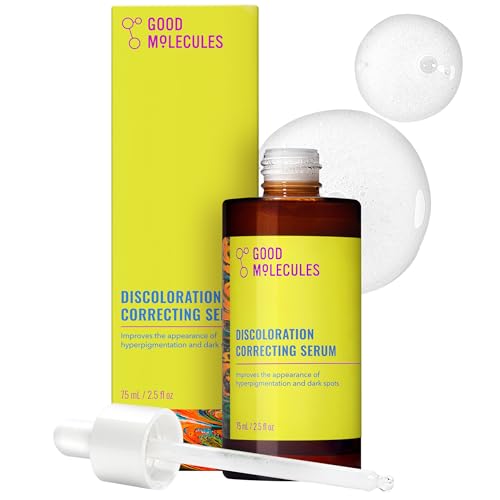
This version of the Good Molecules serum emphasizes brightening and a balanced complexion using tranexamic acid and niacinamide to target discoloration and dullness. It’s designed to support even tone and visible luminescence by promoting clearer skin texture alongside hydration.
Discoloration Correcting Body Treatment

The body treatment aims to reduce discoloration across larger areas such as the chest, neck, arms, back, and thighs. It combines tranexamic acid esters with exfoliating LHA and soothing components to support a more even appearance while maintaining hydration and a non-greasy feel.
Dark Spot Fade Serum

Palmer’s Skin Success Fade Serum focuses on reducing the appearance of dark spots and discoloration using niacinamide and other supportive ingredients. It aims to improve evenness while targeting signs of aging and maintaining skin elasticity for a smoother finish.
Alpha Arbutin and Discoloration Serum

Note: This COSRX serum combines 2% alpha-arbutin with tranexamic acid and niacinamide to address post-inflammatory hyperpigmentation and general discoloration. It’s designed to be fast-absorbing with a non-sticky finish, suitable for sensitive and acne-prone skin types, and supports a brighter, more even complexion.
Buying Guide: Key Purchase Considerations For Discoloration Products
- Active ingredient effectiveness: Tranexamic acid, niacinamide, alpha-arbutin, and kojic acid are widely used for pigment reduction. Look for products that specify concentrations (for example, tranexamic acid around 3% and niacinamide around 4–10%).
- Target area and usage: Face-focused serums are typically lighter and faster-absorbing, while body treatments are richer and designed for larger surface areas. Choose based on the area you want to treat and skin type you have.
- Skin type compatibility: If you have sensitive or reactive skin, start with lower concentrations and patch test. Non-irritating bases and soothing additives help minimize irritation during initial use.
- Texture and finish: Lightweight serums are ideal under sunscreen, while heavier creams suit night routines or dry skin. The right texture supports consistent use without clogging pores.
- Long-term expectations: Discoloration products work gradually. Visible results typically appear after several weeks of regular use, with continued improvements over months.
- Sun protection: Daily sunscreen is essential when using brightening products, as UV exposure can worsen pigmentation and counteract benefits.
- Multi-product approach: For stubborn areas, a combination approach (face serum plus targeted body treatment) can provide broader results, but avoid overloading the skin with too many actives at once.
- Ingredient safety and compatibility: Check for potential interactions with other active ingredients you use (retinoids, vitamin C, etc.). Introduce one new product at a time to monitor tolerance.
Additional Considerations
- Coverage: Some products may address multiple pigment-related concerns (sun spots, post-acne marks, PIH). Assess your most problematic discoloration to prioritize ingredients like tranexamic acid or alpha-arbutin.
- Formulation variety: Serums, creams, and body lotions each offer distinct delivery mechanisms and user experiences. Tuned to different areas, they can complement a comprehensive routine.
- Clinical evidence: Look for brands that provide ingredient concentrations and usage guidelines, as well as clinical or user testimonials that corroborate claims.