Benzoyl peroxide cleansers offer a dermatologist-favored approach to treat and prevent mild to moderate acne. This guide highlights top over-the-counter options, detailing strength, texture, and skin compatibility to help American shoppers compare quickly and choose confidently.
Summary of selected products:
| Product | Brand | Key Feature |
|---|---|---|
| PanOxyl 10% Benzoyl Peroxide Acne Foaming Wash | PanOxyl | Maximum strength 10% BP; fast-acting antimicrobial |
| Amazon Basics Acne Cleanser Face Wash | Amazon Basics | Maximum strength 10% BP; daily control |
| CeraVe Acne Foaming Cream Cleanser | CeraVe | 4% BP; hydrating ceramides and hyaluronic acid |
| CeraVe Acne Foaming Cream Wash | CeraVe | 10% BP; hydrating formula with ceramides |
| La Roche-Posay Effaclar Dual Acne Wash | La Roche-Posay | 4% BP; exfoliating LHA for blemish prevention |
PanOxyl 10% Benzoyl Peroxide Foaming Wash
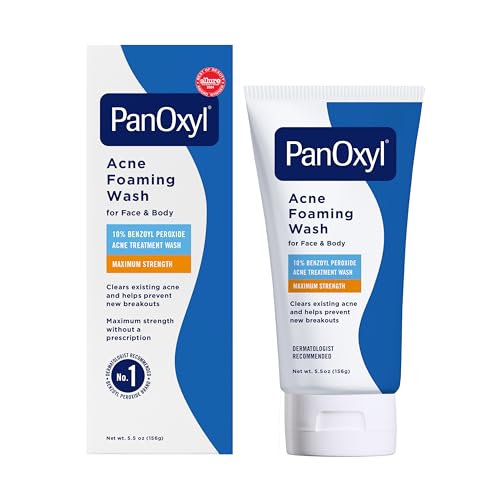
PanOxyl’s maximum-strength benzoyl peroxide cleanser is designed for daily acne management. The foaming wash aims to clear, treat, and prevent pimples and stubborn breakouts. It is marketed as fast-acting, with claims of killing 99% of acne-causing bacteria within 15 seconds and is widely used as a daily face and body cleanser.
Amazon Basics Acne Cleanser Face Wash

This daily control cleanser combines 10% benzoyl peroxide with a formula designed for long-lasting acne relief. It emphasizes a gentle cleansing experience without parabens or formaldehyde donors, aiming to support consistent, everyday use for acne management.
CeraVe Acne Foaming Cream Cleanser

This cleanser blends 4% benzoyl peroxide with hydrating ceramides and humectants. It starts as a creamy texture that foams upon lathering, designed to clear acne while maintaining moisture balance and skin comfort during use.
CeraVe Acne Foaming Cream Wash

This benzoyl peroxide 10% body and face wash is formulated to remove dirt and oil without stripping moisture. It includes hyaluronic acid and niacinamide, offering a gentler, hydrating cleanse intended for both facial and body use while targeting active breakouts.
La Roche-Posay Effaclar Dual Acne Wash

This sulfate-free cleanser targets excess oil and impurities while preventing new acne lesions. It combines benzoyl peroxide with exfoliating LHA to help clear blemishes and support skin healing without over-drying the complexion.
PanOxyl Antimicrobial Creamy Wash
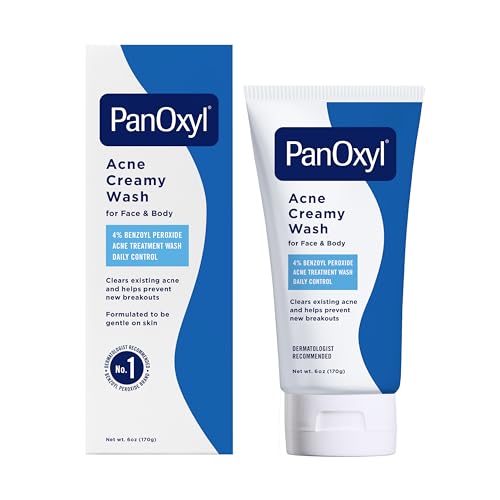
This variant provides 4% benzoyl peroxide in a creamy wash formula designed to kill acne-causing bacteria on contact while removing dirt and oil from pores. It is balanced with humectants and emollients to support hydration.
Buying Guide: Key Purchase Considerations
- Strength and skin tolerance: Benzoyl peroxide strengths range from 4% to 10%. Higher concentrations can be more effective but may irritate sensitive skin. Start with 2.5% or 5% if you are new to BP.
- Formulation and texture: Foaming washes are common and easy to rinse, while creamy washes can be gentler on dry skin. Creamy formulas often include hydrating ingredients like ceramides, hyaluronic acid, or glycerin.
- Skin type and ingredients: Look for non-comedogenic, fragrance-free options if you have sensitive or dry skin. Ceramides, hyaluronic acid, and niacinamide help maintain moisture and barrier function.
- Daily use vs. spot treatment: Daily cleansers are designed for ongoing acne management, while more potent formulas may be recommended for specific concerns or as part of a broader regimen.
- Body and facial use: Some cleansers are formulated for both face and body, which can be convenient for body breakouts but may have different sensitivities than facial skin.
- Exfoliation and additional actives: Cleansers with exfoliants (like LHA) help prevent new blemishes but can increase irritation. Consider your tolerance and pair with a suitable moisturizer.
- Avoid potential irritants: Parabens, formaldehyde donors, and added fragrance can irritate sensitive skin. Look for gentle, dermatologist-recommended options if you have reactive skin.
- Consistency and routine: For best results, use as directed, typically once daily or as advised by a dermatologist, and follow with a non-irritating moisturizer.